Grief & Loss – Understanding and Coping with the Pain

There may be no life experience that is more profoundly painful than the loss of a loved one.  Unfortunately, it is an incident that we all must face at numerous stages in our lives.  Even though these are losses that we must all go through, we often find ourselves ill-equipped to deal with the depth of the suffering that we may experience.

While we will focus mainly on loss in terms of the death of a loved one, it is important to note that the grief and loss response can be triggered by the loss of anything we hold dear.  This could be loss of a valued job, moving away from a neighborhood that we were connected to, or the break-up of a relationship or friendship.

Continue reading

Defeat the Worry Beast

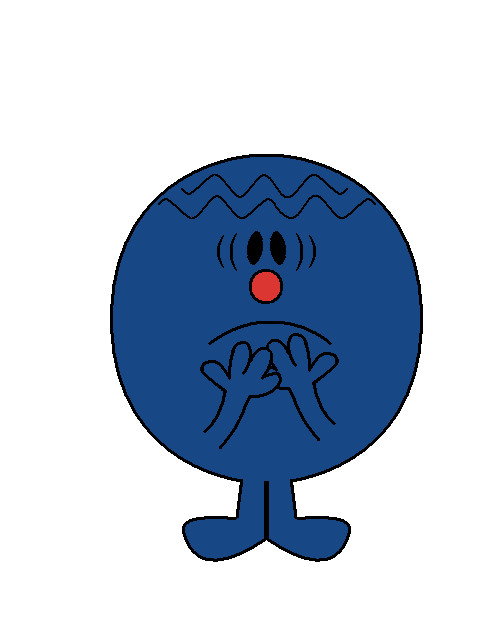
mr__worry_by_percyfan94

We have all, at one time or another, been overpowered by the beast that is worry.  We are bombarded by “what if” thoughts, attacked by nightmarish fantasies about every possible thing that could possibly go wrong.  This may be triggered by hearing an awful story, a stressful situation that has arisen, or just a random thought that comes to us, seemingly from nowhere.  We feel the weight of this worry: physically, emotionally and mentally.  We end up tense and exhausted, anxious and nervous, overwhelmed and fearful.  In short, the worry beast can wreak havoc in our life.

At best, we may attempt to distract or calm ourselves from this onslaught of negativity, but there is a nagging feeling that our efforts have been futile and we will be a victim of these thoughts indefinitely.  It is difficult not to feel despair when this seems to be the case.

However, the good news is that there is a way to defeat the worry beast.  We can learn to work through our worried thoughts to where they are not out of control and creating these negative side-effects.  Before we can get to the specifics of what to do to handle worry, we first must understand a little bit about what worry is.

Continue reading

From My Bookshelf: A Review of the Most Often Recommended Books

1

Books have tremendous power.  They can move us to feel deep emotion.  They can educate us.  They can allow us to travel back or forward in time.  They can help us address and overcome challenges we may face. There are countless excellent books available that address behavioral health issues.  This post is here to highlight some of the best of those works that I have read.

I am nearly constantly reading books from the field of behavioral health, reading novels only when on vacation.  The bookshelves in my office are full of the titles I have read and there is a special section in my bookshelves where I keep the books that I have found to be particularly enlightening and helpful.  It is from this selection that I culled my “most recommended” titles to review and share with you.  While I probably could have done a write-up on each of these books, I have limited myself to a “Top 10” listing.

Continue reading

Stress Management

1

         Stress:  that ever-present, life-span shortening, ulcer-inducing, pull-out your-hair condition that is part and parcel of our modern lives.  If there is one issue that I seem to talk about with every client, this is it.  Stress has an immediate impact on our well-being and is therefore one of the most vitally important things to learn to manage as well as we possibly can.  This article will help you to learn more about what stress is and how to work towards minimizing its negative impact on our lives and our health.


Continue reading

Are You Talking to Me? Tackling Communication Issues (Part 3)

         In the first part of this series on communication, we explored how the words we use can create problems in clearly conveying the messages we intend.  The second part of the series covered how nonverbal and paraverbal factors interact with what we say to augment or change our messages.  This third (and concluding) installment will address the listening side of communication.  The first two parts focused on what we broadcast, but an equally important factor is how we are receiving messages from those with whom we interact.

Listening
1

         When people describe the conflicts they have with their partners (or anyone else for that matter), a common thread is that the conversation escalates.  It may start out as a slight disagreement but soon becomes a full scale, bridge burning, name calling free for all.  While there is much to be said about conflict resolution, that is a subject for another time.  I want to focus here on how we can use listening as a communication tool to attempt to avoid the sparks of conflict from turning into a full blown forest fire.

Continue reading

Are You Talking to Me? Tackling Communication Issues (Part 2)

    In the first part of this series, we explored three issues that interfere with effective verbal communication (see Part 1 for all of the details).  This second part of the series will address issues beyond verbal communication.  We will explore other ways that we communicate with our body and voice.

Other types of communication
1

         It is easy to grasp verbal communication.  We pay attention to what we are saying and, by default, we are working on our verbal communication.  The issues that we will explore here are a bit more nebulous and can be more difficult to comprehend (but if I do a good job, you will be able to understand it in short order).  Let’s break down these other types of communication into 3 broad categories: nonverbal factors, paraverbal factors, and interactional relationships.


Continue reading

Are You Talking to Me? Exploring Communication Issues (Part 1)

       Komunikacija je primarni način kako smo u interakciji sa drugima.”  Did you have a hard time understanding this?  Let me try again.  “Kommunikation ist die primäre Methode, wie wir mit anderen interagieren.“  Still struggling?  I’ll try to communicate more clearly this time: Communication is the primary method of how we interact with others.  (The first two statements were in Bosnian and German, respectively.)  When we are speaking different languages, it is clear why we are having a hard time understanding one another.  This article is not about how to translate languages, though.  It is about the misunderstandings and miscommunication that happen even when everyone is speaking the same language.

Continue reading